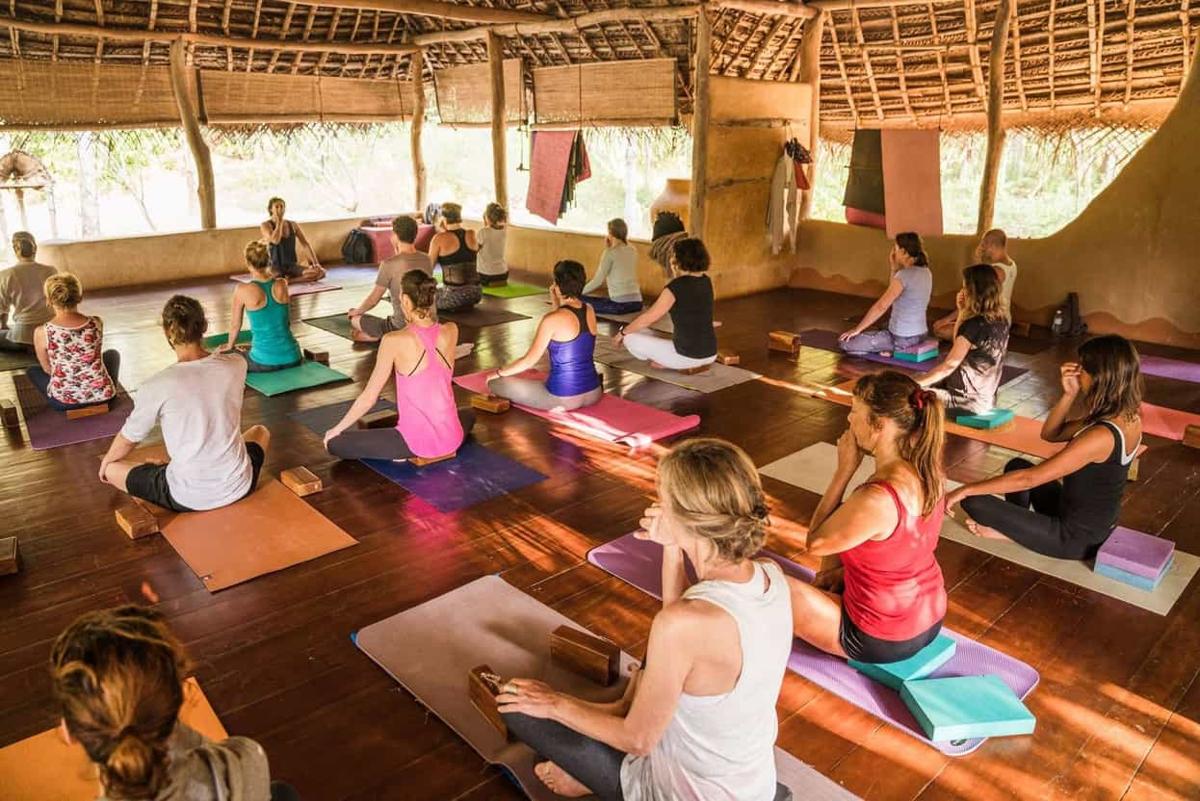
Yoga
Why Ulpotha Is the Most Authentic Yoga Retreat in Sri Lanka
The best yoga retreat in Sri Lanka question is a relatively easy one to answer in our opinion but takes longer to research than people...

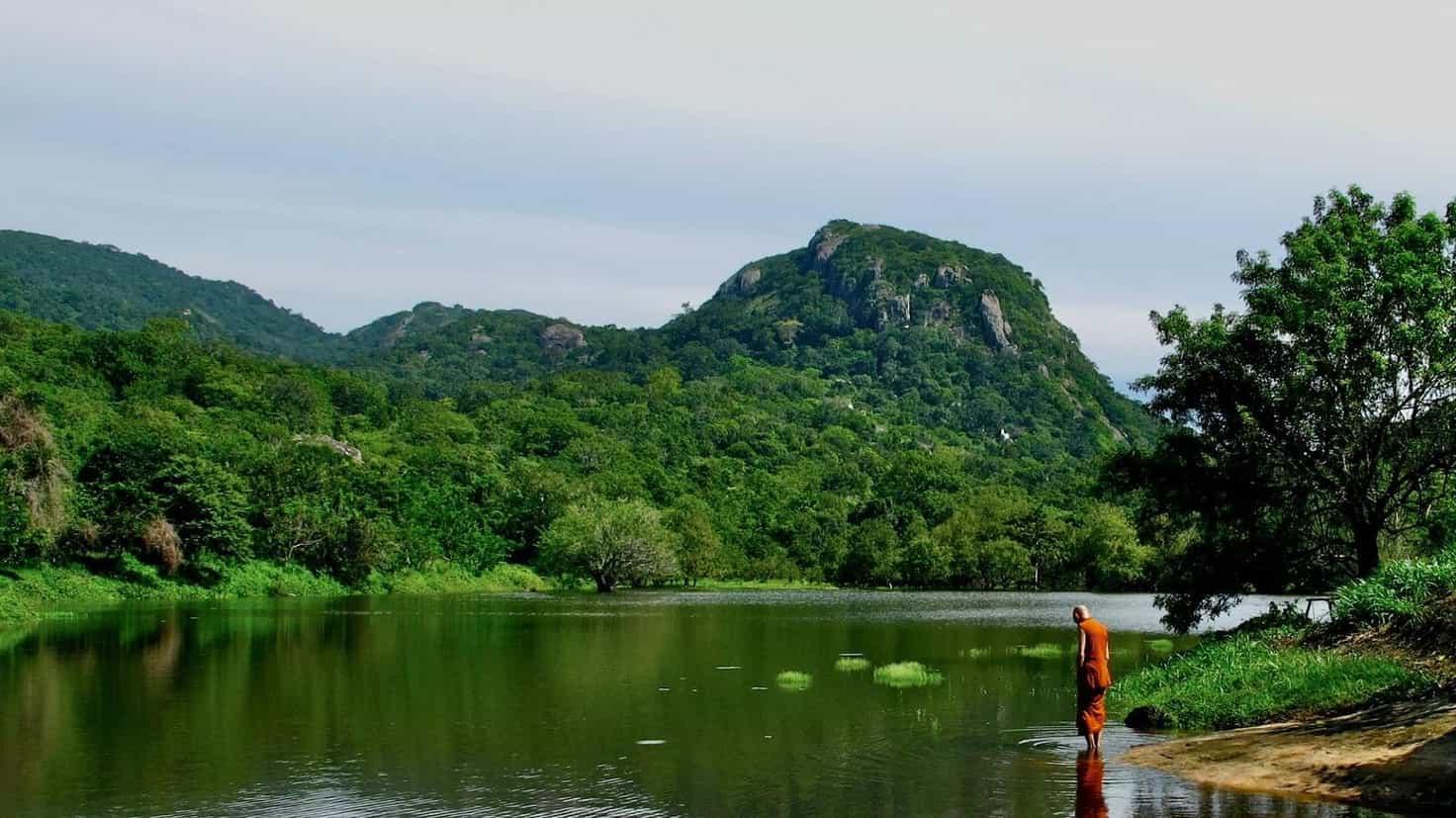
Since 1994
The origin and ideals of Ulpotha, before yoga and Ayurveda became part of its story. Written by co-founder Viren Perera, and printed here as he wrote it.
In the words of a founder
When Ulpotha opened its doors to paying guests in 1997, it quickly attracted international press coverage due to its quirky nature. Invariably, Ulpotha would be referred to as yoga retreat in resulting articles. As if it was designed and built to be so.
But this could not have been further from the truth. To rectify this, we created a website in 1998 and posted the following information on it. We then insisted that any article written about Ulpotha carry the website address, for those who wished to know more about Ulpotha.
At the time, the world wide web was used as a source of information rather than as the market bazaar on steroids it has become. As the web developed, our website grew as well to reflect the web's changing nature.
It's worth noting the original website didn't mention the words yoga or Ayurveda at all. So, if you've been puzzled as to how or why we, the founders - who don't practise yoga - could have created a yoga retreat, you now know the answer. We didn't. What we created became a yoga retreat while still being what it was initially meant to be.
And it's why Ulpotha is as unique as it is.
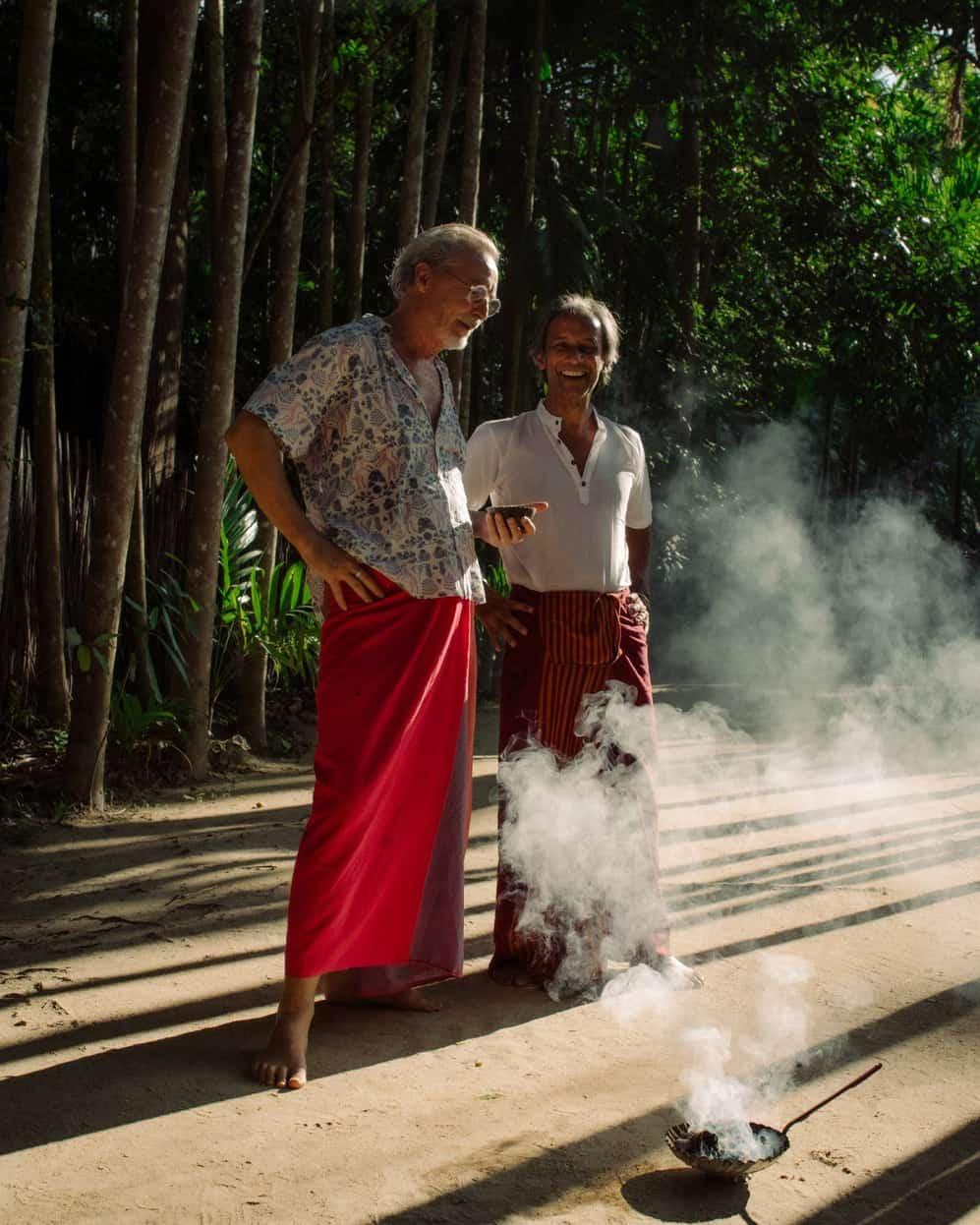
Chapter I
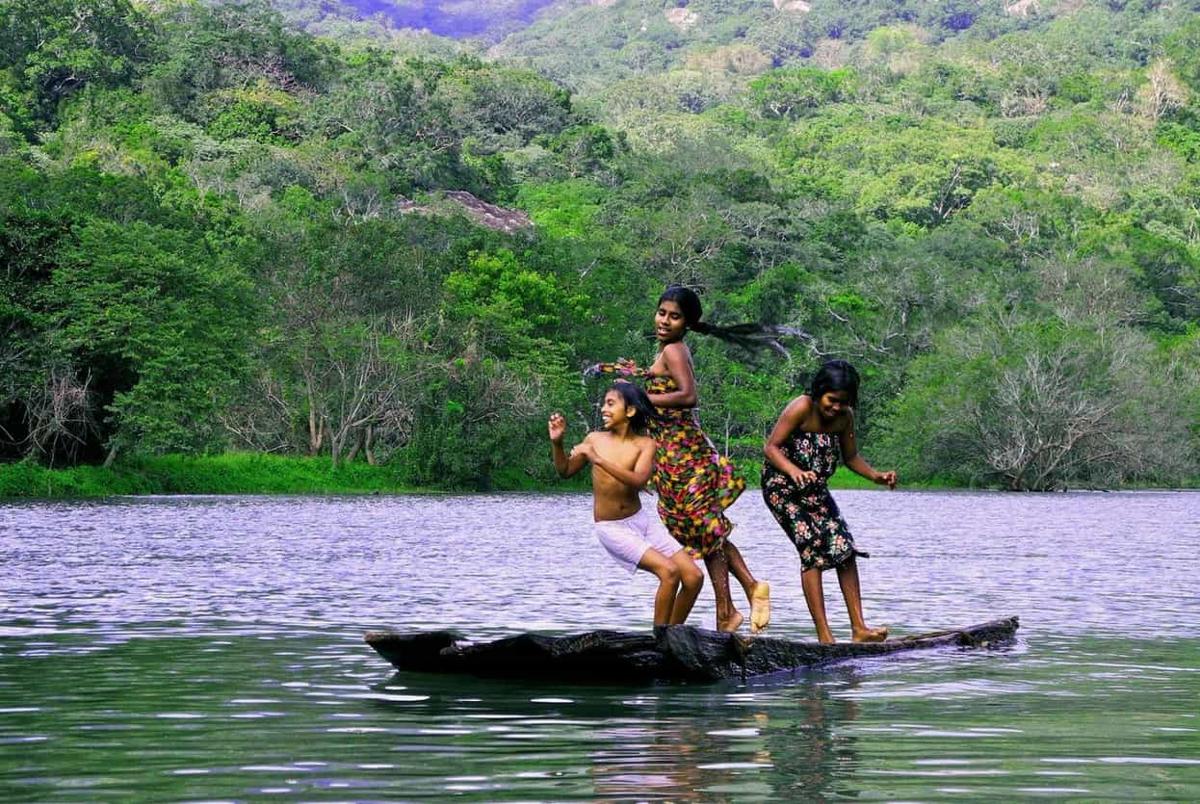
Ulpotha has a living history over 5,000 years old and is rooted in the oldest continuously inhabited region on the island. According to legend, travelling mendicants from the foothills of the Himalayas came in search of the sacred site associated with the Lord Kataragama, an incarnation of the god-child Murugan and the son of Shiva. They believed that Ulpotha was this sacred place, as its seven hills matched the description contained in ancient spiritual lore. After the head priest had a vision in which he was shown how to perform a special devotional ritual, or pooja, they built a temple dedicated to their tantric god at what is now the entrance to the village.
The mountain directly above Ulpotha was also where Prince Saliya, the son of the island’s most storied king, Dutugemunu, established his romantic court over two thousand years ago after he rejected royal life. He married an outcaste woman by the name of Asokamala, who is described in the 'Ramayana', the country's millennia-old mythological and historical epic, as a woman of peerless and legendary beauty. Prince Saliya, the only heir ever to have willingly forfeited his right to the throne, is said to have escaped the ancient royal city of Anuradhapura with his gypsy bride through a secret tunnel hidden in a local cave.
What is now referred to as Ulpotha was the ancestral land belonging to regional chieftains under whose patronage were twenty-nine villages.
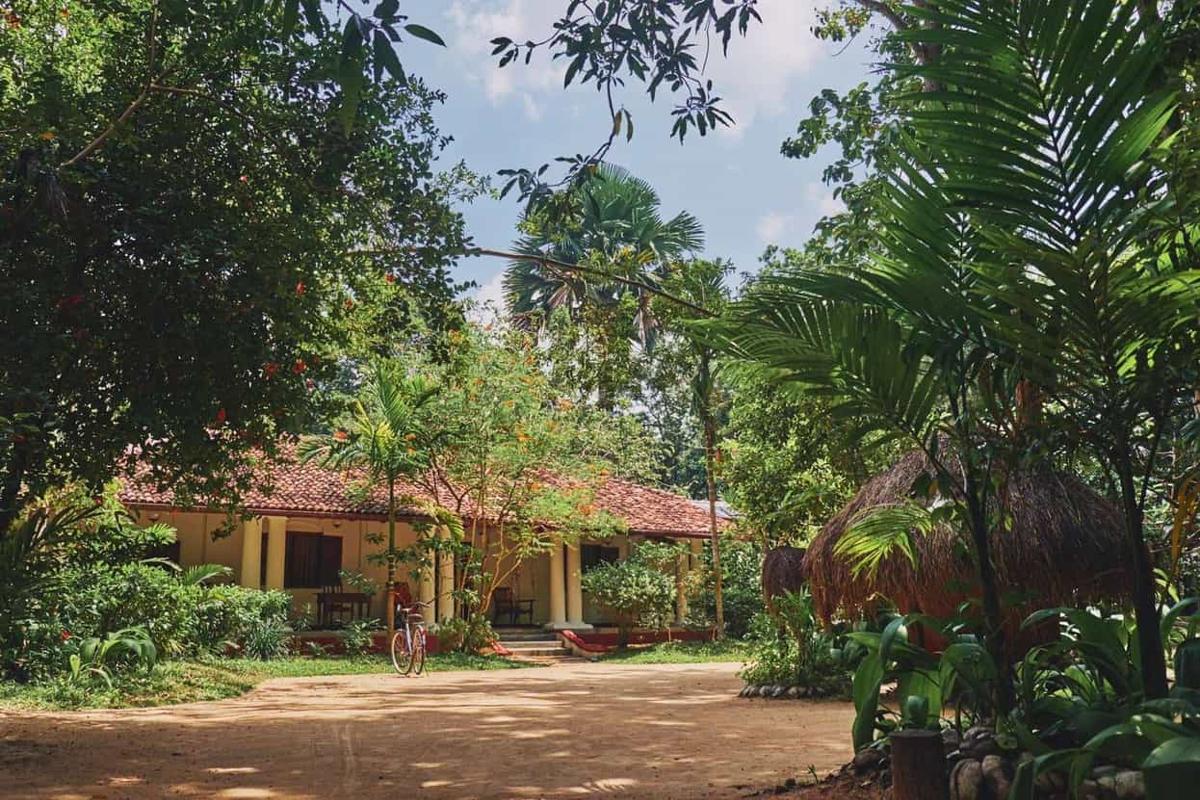
A small manor house, originally built a few hundred years ago, has been renovated and is now the centre of life in Ulpotha. Local lore has it that the house was sited where two elephant paths crossed; the spot was deemed an auspicious one as it was marked by a grove of untouched jak saplings, usually an elephant delicacy.
It was the sacred duty of the chieftain to maintain the village temple to Lord Kataragama and to be the centre of the tradition of divine patronage and service, where the rules applied were that of serving the fertility gods and maintaining the rituals and traditions of indigenous Wanni culture.
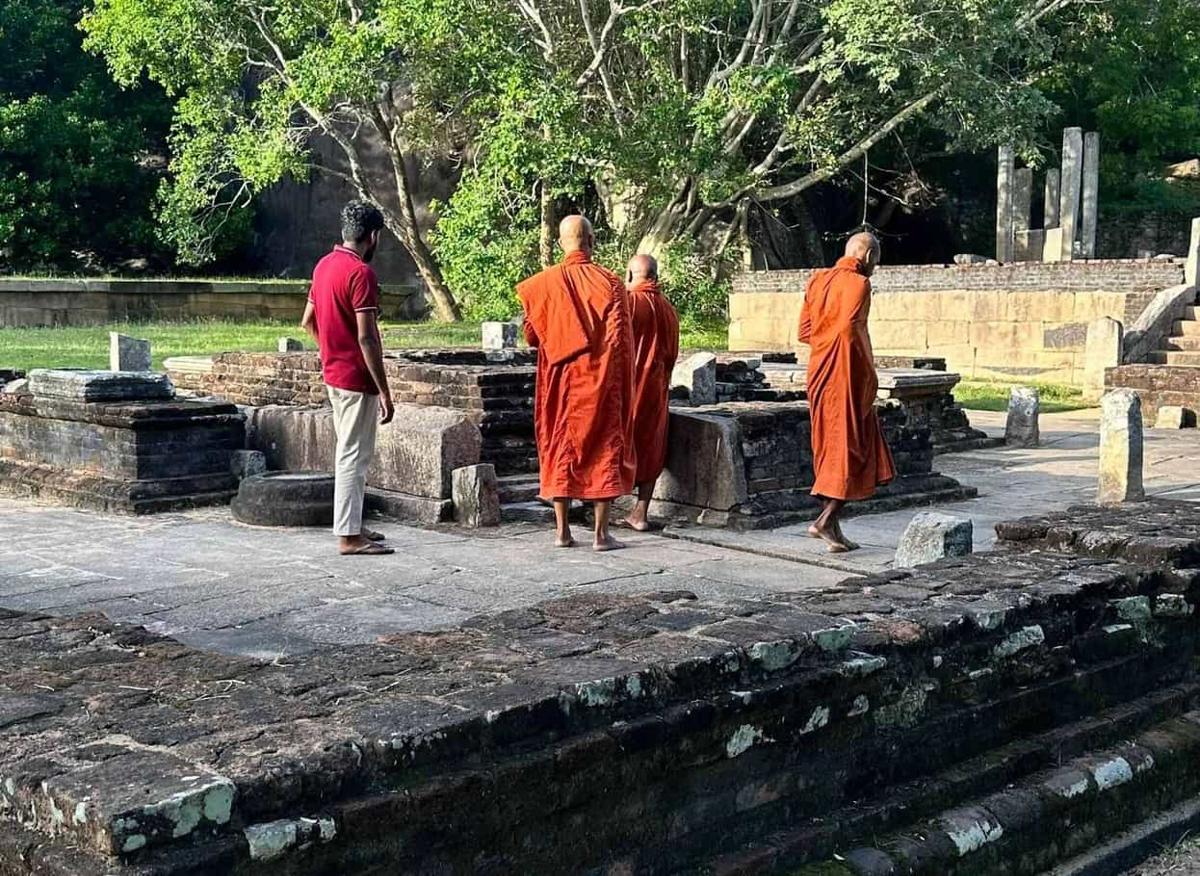
Ulpotha's foundations are thus laid on the timeless grounds of nature, history, tradition and myth. The surrounding hills continue to harbour cave-dwelling ascetics and practising shamans, and the land remains infused with the still potent therapeutic spirits of the gods, kings, priests and romance of its storied past.
Chapter II
Though much has been said and written about the need to preserve our natural environment and add spiritual quality to our modern lifestyles - the former in great seriousness and the latter with some wishfulness - all too often these words remain firmly separated from the reality of what is deemed practical.
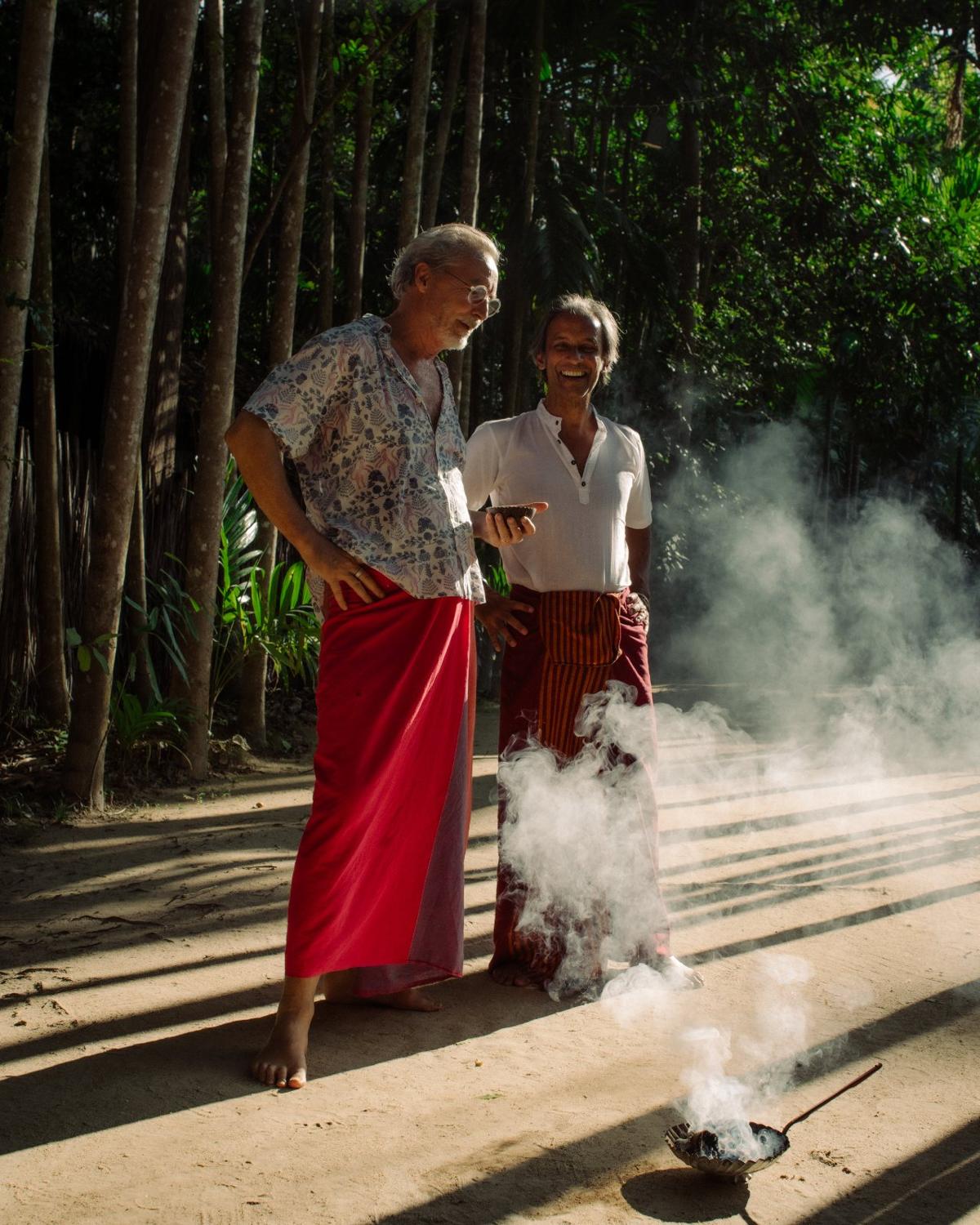
When serendipity brought Ulpotha, which had been abandoned and uninhabited for decades, into the lives of three friends, it inspired them to idealism. Trees were planted, the lands were organically cultivated, traditional wattle and daub homes were built and Ulpotha was brought gently back to a magical life. What made the process an idealistic one was that it was embarked upon and driven by non-financially based motives. Rather than doing something because it made financial sense, it was done for the love and beauty and serenity of it.
The focus at Ulpotha has been on restoration - through practice - of traditional agricultural lifestyle, bio-diverse organic farming and reforestation. There is no long term goal as such of the founders of Ulpotha but, if there is one, it is simply to practise an unhurried and relaxed lifestyle that is in harmony with nature and their neighbours.
Opening Ulpotha to visitors allows it to be shared by those who would otherwise not be able to experience it and creates a means of generating some of the financial resources needed to sustain it.
Chapter III
As much as it is about anything, Ulpotha is about experiencing a relaxed and contented lifestyle. Its practice is based on the appreciation and need for leisure and pleasure, whether in work or in play, and the need for adequate rest if a life is to be well lived. Traditional lifestyles provided room for all the ingredients required for a balanced existence. This meant a personal and immediate relationship to family, community, nature and the spiritual world, as well as an attitude to work as a lifestyle rather than as labour. Furthermore, it gave a valued place for play and ample time to rest.
The basis of what amounted to a holistic approach to life was an intuitively shared philosophy, based on a perceived reality that was cyclical rather than linear. A cyclical worldview implies that everything comes around - the good and the bad, the desired and the undesired - and that at the centre a stable point of infinite harmony and balance exists, no matter what the circumstances of the moment. A linear view, on the other hand, is inherently one of instability, as it requires movement and values progress whatever is to be done, it must be done better; whatever is to be produced, more must be produced; however far one is to go, one must go further.
Tradition, as defined by the philosopher, historian and theologian, Prof. Ananda Coomaraswamy, and restated by the scholar, Ranjit Fernando, is the 'unchanging primordial and universal tradition' which was the source from which all true religions of the present as well as the past came from, as well as the forms of all those societies which were moulded by religion.
Tradition in its pure and original sense has little to do with the present meaning of the word, which has come to simply mean customs and social patterns that have been in use and have prevailed for some time. Instead it has to do with the universal perception accepted by the great western and eastern civilisations of antiquity that an intuitive knowledge and awareness of the absolute truth relating to existence was available to man. This contrasts with the now widely accepted view that it is through intellectual and rational progress that knowledge is acquired and an understanding of the universe gained. In essence, the spiritual has been de-coupled from man's eternal and central search for meaning.
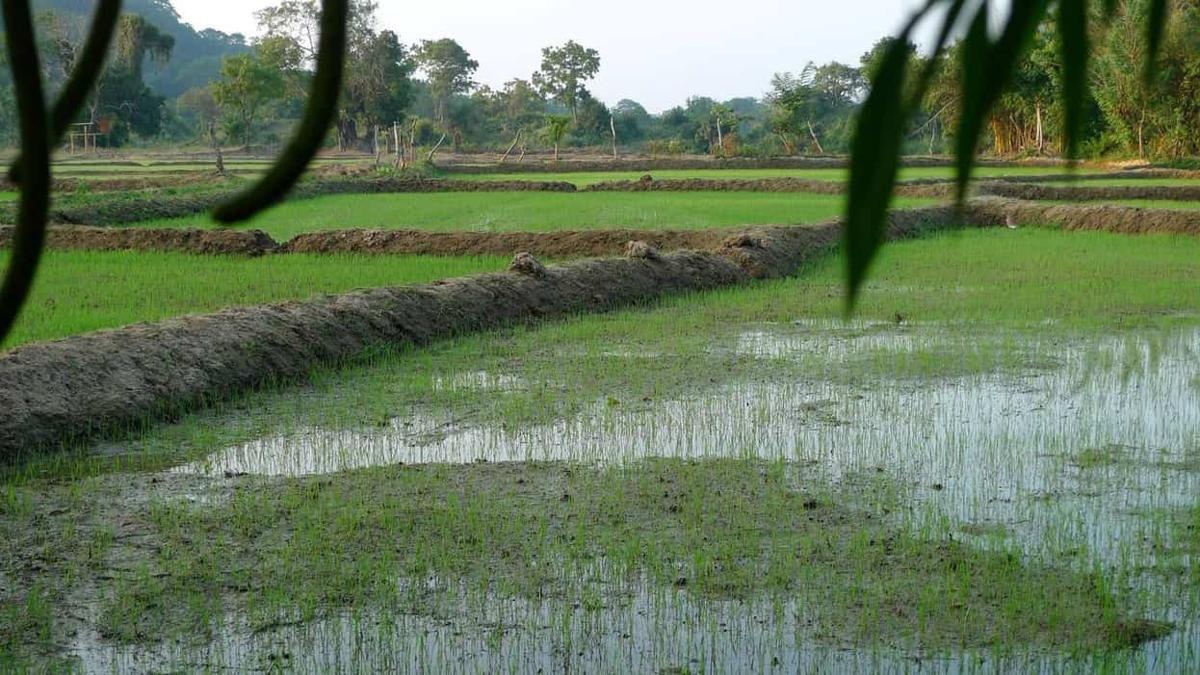
Ulpotha, in an area where intuitive, timeless knowledge seems steeped in the land itself, is a place where a traditional lifestyle comes easily and naturally. Perhaps more than anything else here, it is this uncanny sense of peace and tranquillity - and one's mindless awareness of it that is its most striking feature.
Chapter IV
The first thing that was done when Ulpotha was re-inhabited was to address the aridity of the land that had resulted from the years Ulpotha had been reduced to a mono culture coconut plantation prior to its abandonment. This was done through the management of planting patterns as well as the building of ponds and bunds, all of which were designed to increase the soil's water retention capacity and protect its fertility.
A wide variety of fast growing timber and fruit trees were planted to provide shade as well as to generate future income. Similarly, a wide range of vegetables was planted, along with now rare varieties of high nutrient rice. Before the introduction of fertiliser-dependant hybrids, there were over four hundred different varieties of rice grown in the country, each with different nutrient values and characteristics. Now only a handful of hybrid rice strains are widely grown.
Crops at Ulpotha are protected from bugs and pests using traditional and biological methods. These start with the choosing of auspicious times for planting and the making and keeping of ritual vows to the spirits of the land. Biological means, such as the use of powdered neem seeds, dried makra leaves, crushed coconut shavings, sap from the jak fruit, cactus milk, branches of the kadura tree, bamboo leaves and riverbed sand, are all employed when required and appropriate to deal with any infestations.
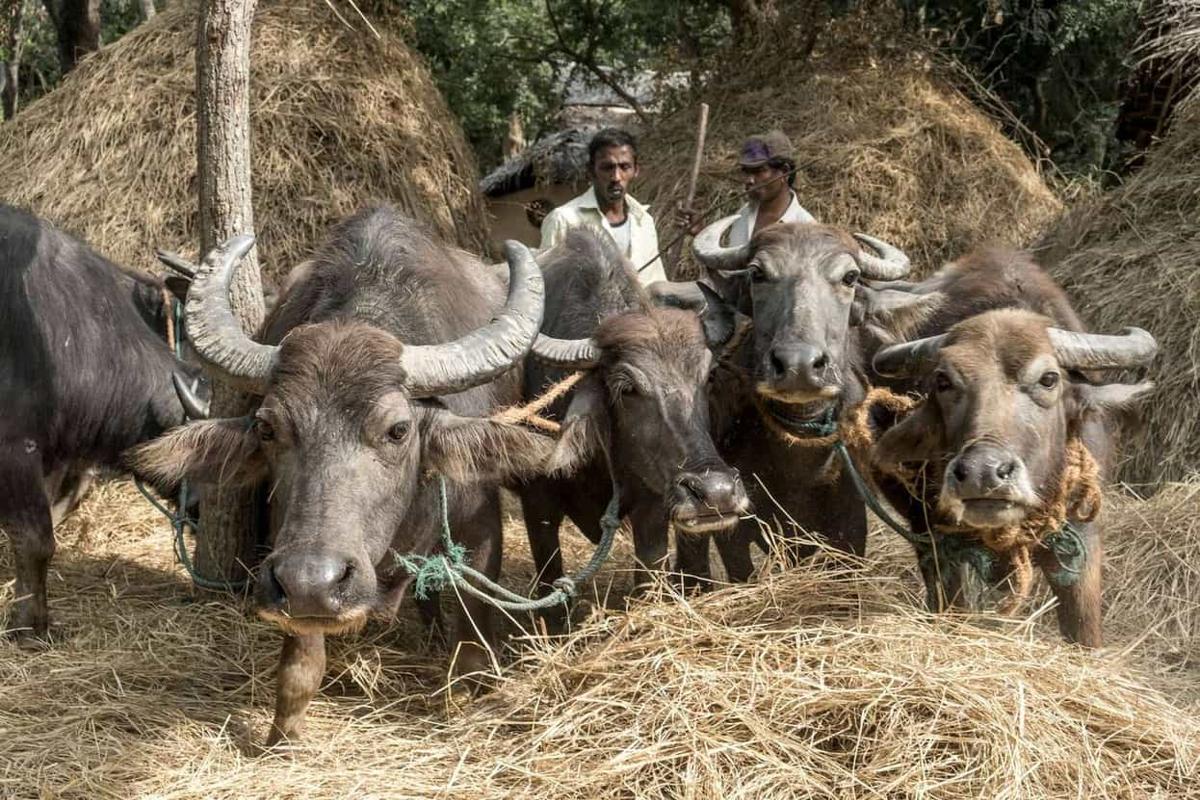
Ploughing and threshing are carried out using buffalo, as the use of tractors is avoided. The latter tend to break through the crust in paddy fields that retain water, resulting in the need for far greater amounts of irrigation. They also tend to dig up the soil too deeply, bringing less fertile soil to the surface to the detriment of the crops. Buffalo, on the other hand, do not cause these difficulties and do not produce air and noise pollution, while they do produce useful fertiliser and nourishing milk. They also reproduce.
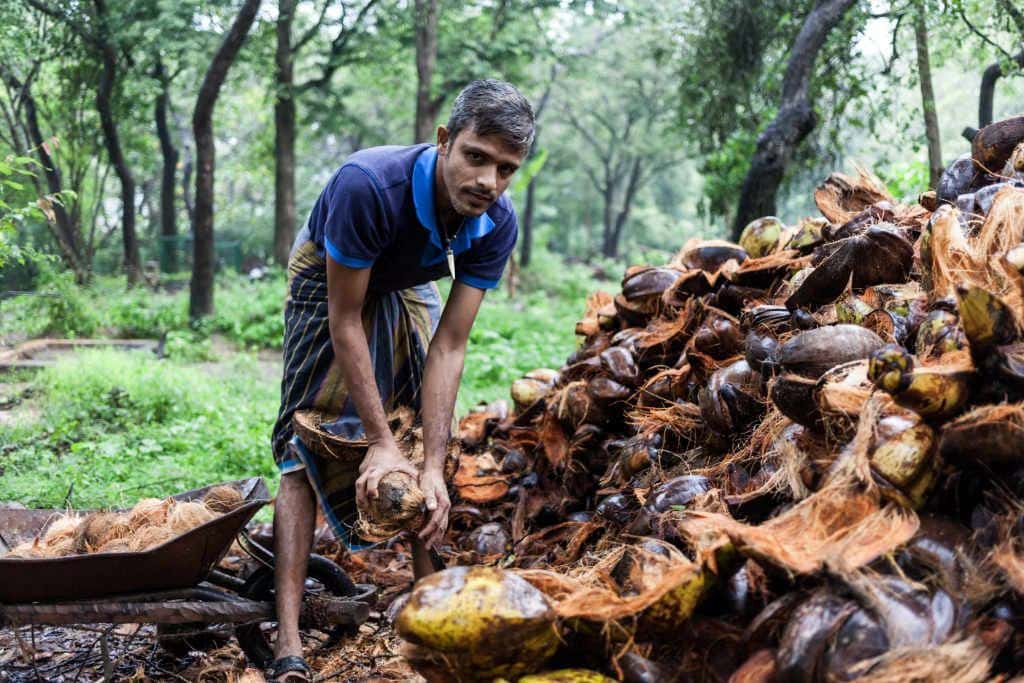
Ulpotha has thus been transformed into the self-sustaining, bio-diverse organic farm it is today one where the practice of farming is holistic and includes paying respect to the land and its resources, as well as to the deities protecting it.
Chapter V
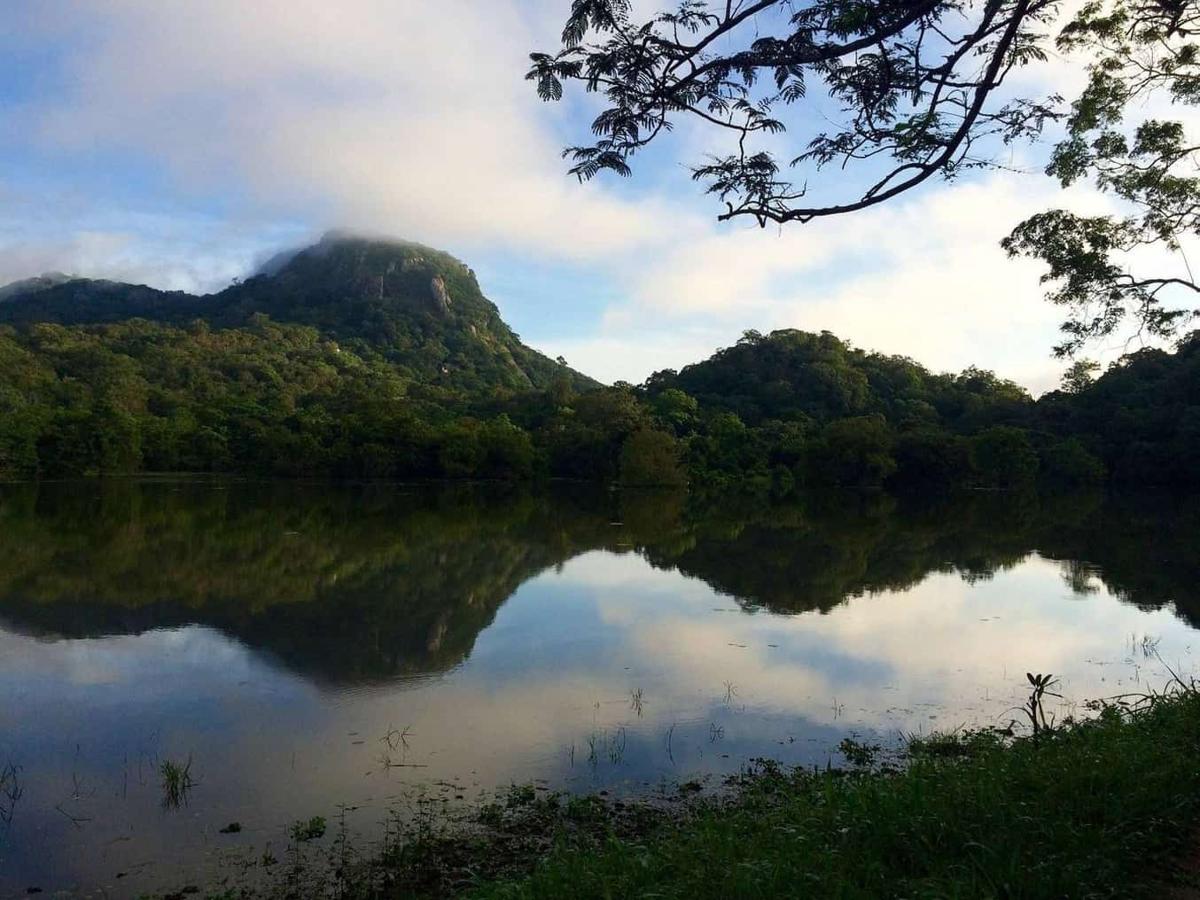
Water has always been deemed the country's greatest treasure. Its culture and its technology have been impressively dedicated throughout history to capturing and using this most precious of nature's resources for cultivation and human consumption. Ulpotha, which literally means 'water spring' - due to the numerous underground springs throughout the land - is no exception.
Within Ulpotha, water retention has been an overriding and successfully achieved objective. Outside Ulpotha, the founders have embarked - at the request of the neighbouring village farmers - on an ambitious multi-phase project to rehabilitate the system of tanks, as reservoirs are called locally, that store and carry waters from the catchment area in the foothills of the Galgiriyawa mountain range above Ulpotha to the watershed below.
The arrangement of tanks at Ulpotha is typical in that it comprises a mountain tank, a forest tank, an erosion or silt control tank and a main storage tank. The mountain tank has no irrigation channels running from it and is used to provide water for chena (jungle, or slash and burn) cultivation. The purpose of the forest tank is to provide water to wild animals - in the observance of the traditional principle that man should share nature's bounty with all living creatures. The erosion or silt control tank is, as its name suggests, used to control erosion and capture silt before it enters the main storage tank. It was designed in a manner that facilitated easy cleaning. The main storage tank is the tank whose waters are used for the irrigation of crops and from which irrigation channels run.
Sri Lanka possesses a sophisticated and extensive network of such village tanks throughout the country. This system is thousands of years old and its construction and maintenance was carried out under the tradition of Rajakariya, literally meaning service to the king. Under this arrangement, every villager owed forty days of service each year to the common good. During the period of the colonial rule of the British, who misunderstood it as an abusive feudal relic, Rajakariya was discontinued and finally abolished. The responsibility of looking after the irrigation system was handed over to bureaucrats in the government's Department of Irrigation. And thus, as a British officer drily observed over a hundred years ago, "what was everybody's business had become nobody's business".
The plight of the system of tanks at Ulpotha - and, indeed, one could argue of the country at large - is typical of the result of this seminal shift away from grass-roots, 'bottom-up' co-operation to bureaucratic, 'top-down' administration.
In the 1980s, the Department of Irrigation visited Ulpotha and determined in their wisdom to fix what was not broken. They decided that they needed to increase the water storage capacity of the main tank and, to do this, they joined the forest, erosion/silt control and main storage tanks by breaching the bunds separating them. They raised the height of the main bund, dynamited the natural rock spill and built a concrete weir and sluice gate. The result has been that the overall amount of water available for irrigation decreased significantly over the years, due to silt accumulation, leaks in the badly designed and poorly constructed weir and the lowering of the water table. Only one harvest was possible per year whereas it had been possible to have two prior to the modifications.
Before embarking on the repair work, in a revival of the age-old systems of Rajakariya and patronage and service, it was agreed that the founders of Ulpotha would fund the rehabilitation work, while the villagers dependent on the tanks' waters would provide the labour required.
In the first phase, carried out in April 1997, the erosion and silt control tank was rebuilt.
In the second phase, completed in November 1998, the main bund of the storage tank was strengthened and the tank was de-silted.
The third stage, which was carried out in 2002, involved the weir being modified, rebuilt and clad in granite.
In 2004 the main bund was broadened and the weir raised by 18 inches, which increased the water storage capacity of the tank significantly, and the bund separating the forest and main storage tank was restored.
In 2007 the sluice, which was leaking, was completely rebuilt.
The final phase, which is planned for some point in the future, will see the restoration of the sky tank - the reservoir cradled in the mountains above - that used to store water to more evenly feed the water spring that, in turn, fed the tanks below.
Yoga
The best yoga retreat in Sri Lanka question is a relatively easy one to answer in our opinion but takes longer to research than people...
Yoga
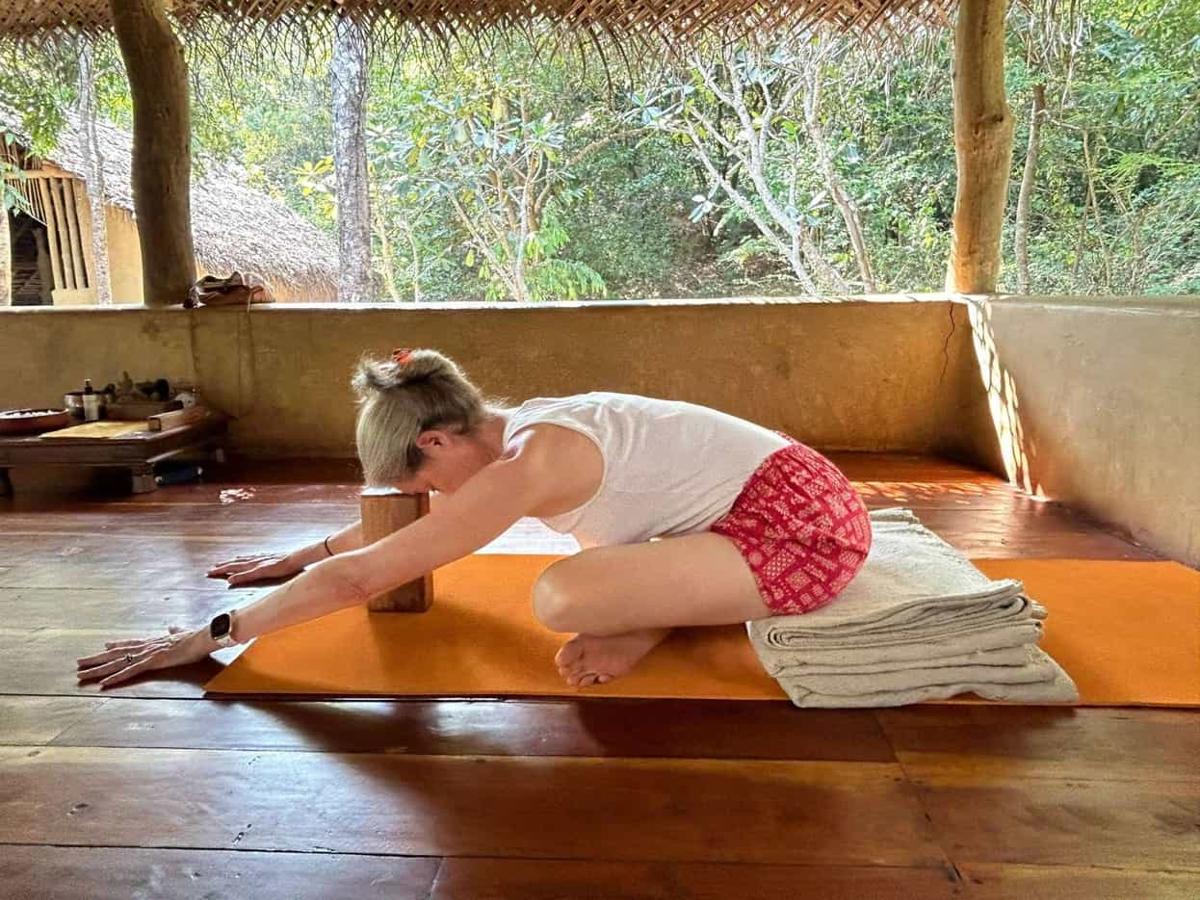
At the end of two weeks, first-time yoga retreat guests rarely talk primarily about yoga. They talk about sleep, how well they slept...
Planning
Sri Lanka has spent three years rebuilding its reputation as a destination, and in 2026 it’s doing so with real traction. Tourist...
The farming seasons
Ulpotha is open during the farming seasons: June to Mid-August and Mid-November to the end of March.
Ulpotha opens only part of the year so the local community can use the land sustainably when it is closed. That cadence shapes everything here.