Village life
Full Moon, Food and the Village Dogs: What Poya Day Looks Like at Ulpotha
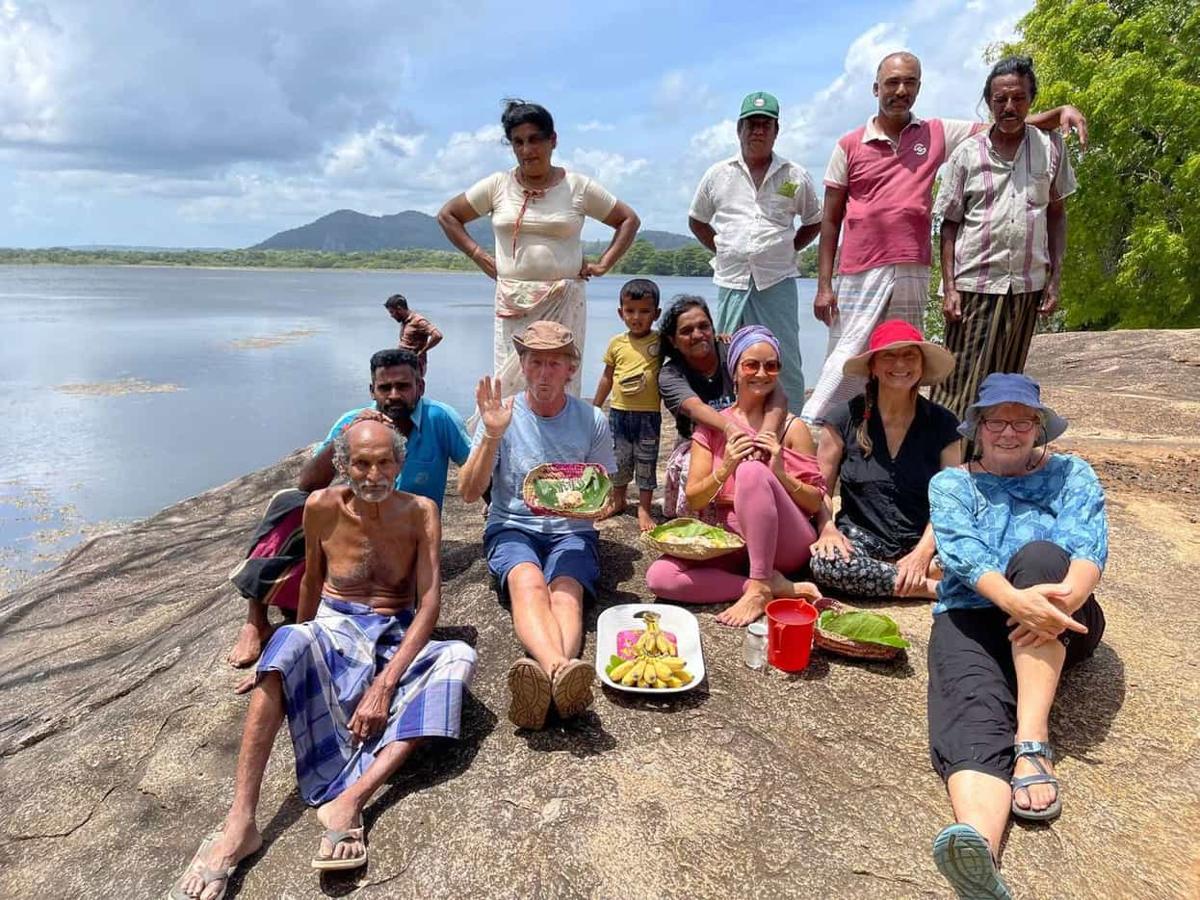
On the night of the full moon, the villagers prepare food and head out in the truck to feed the local dogs. In Sri Lanka, every full...

Village life
Most people arrive at Ulpotha having looked at the photographs without a clear sense of what their time here will actually feel like. Photographs show the place, not the experience of being in it: what you do with yourself when there’s no schedule to follow, no wifi, and no alarm to set. What follows is a fairly representative day, somewhere in the middle of a two-week stay, once the first few days of adjustment have passed.
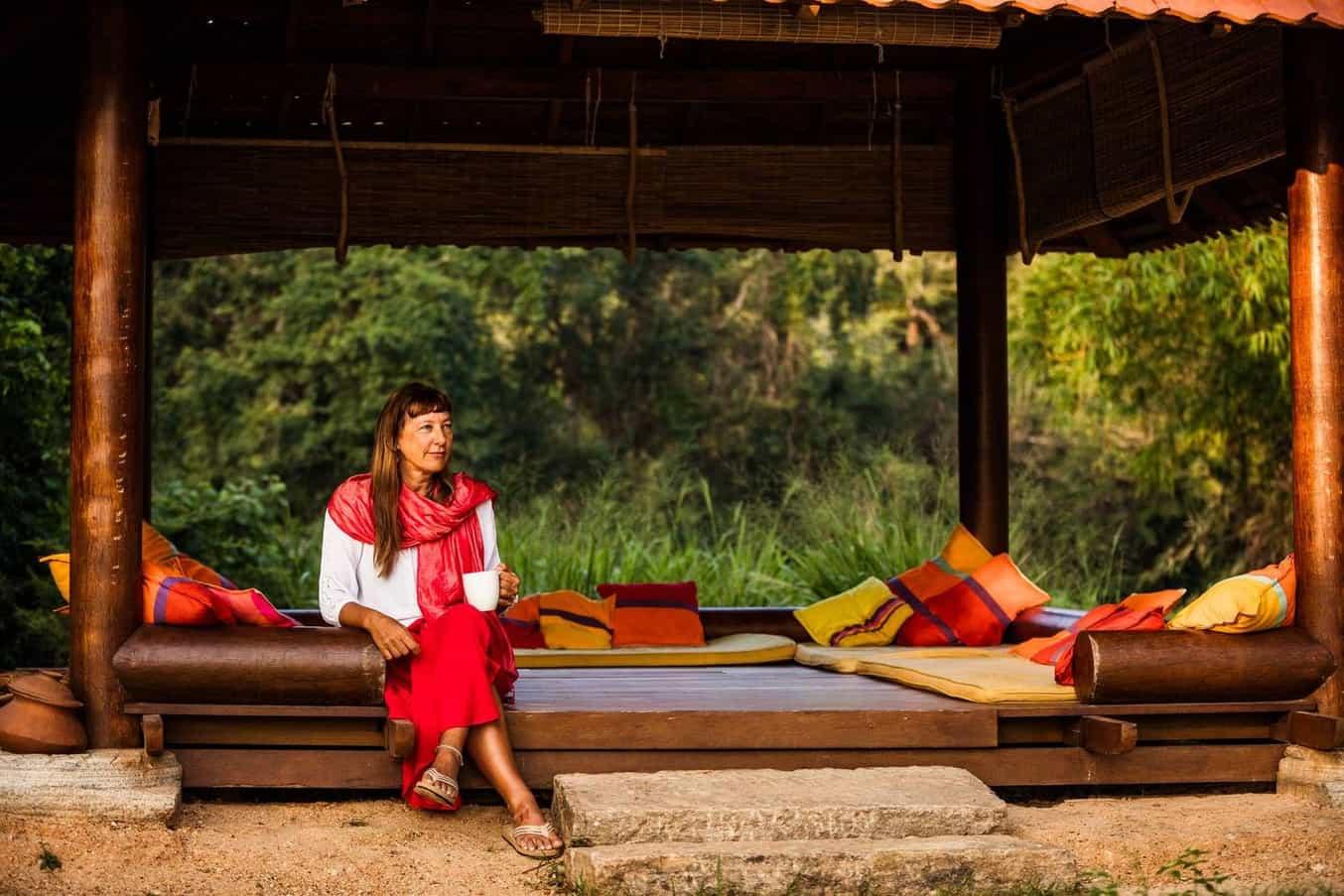
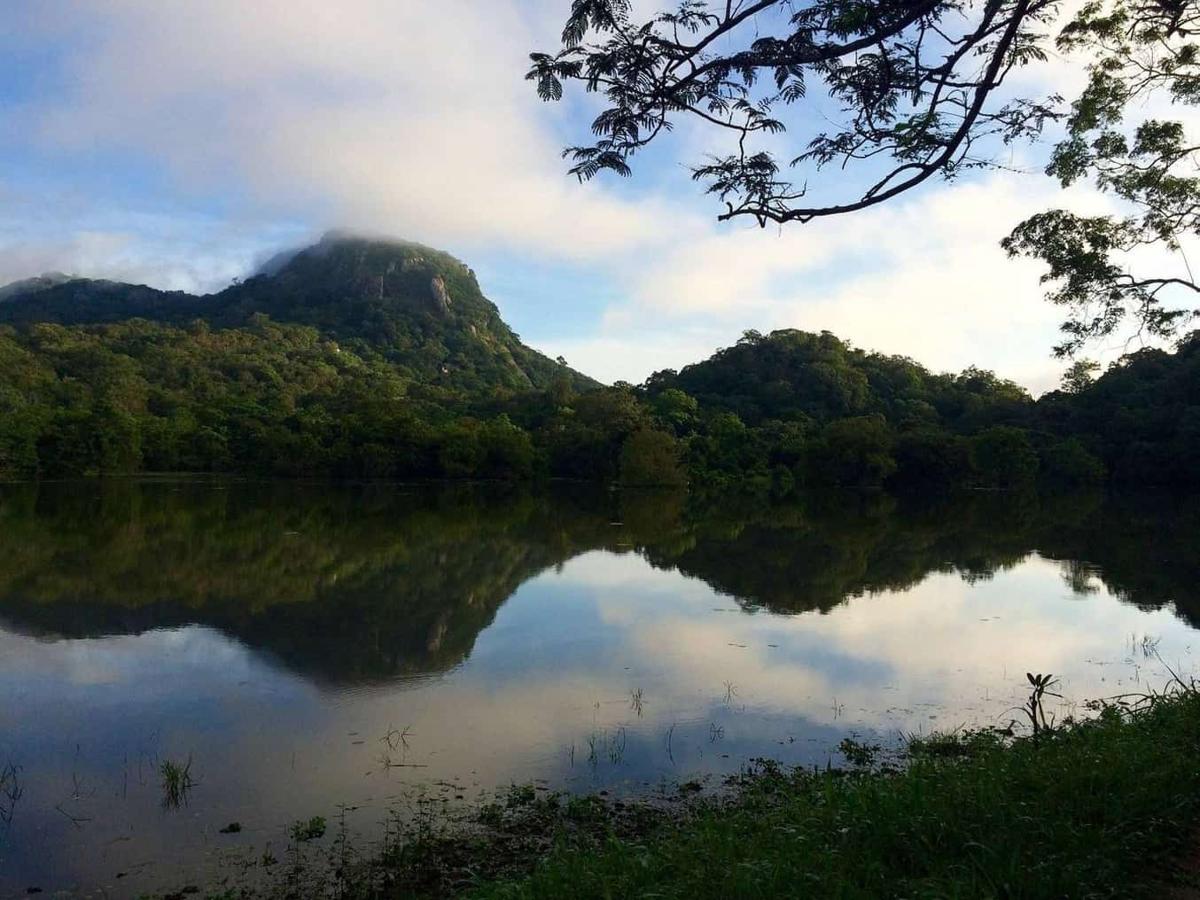
At Ulpotha, you wake with the rising of the sun, which is the wake-up call here, rather than any kind of alarm, and this surprises almost everyone, even those deep sleepers. After a few nights sleeping in an open-sided wattle-and-daub hut, the traditional Sri Lankan bale that serves as accommodation, the body adjusts to the light and starts waking with it. There’s time before yoga to wash, make tea, and sit in the kade hut. The tank, the ancient reservoir at the edge of the property, is completely still at this hour, the perfect time to swim in the silky smooth waters. At this hour, the only sounds are the jungle, the monkeys swinging in the trees, and the birdsong.
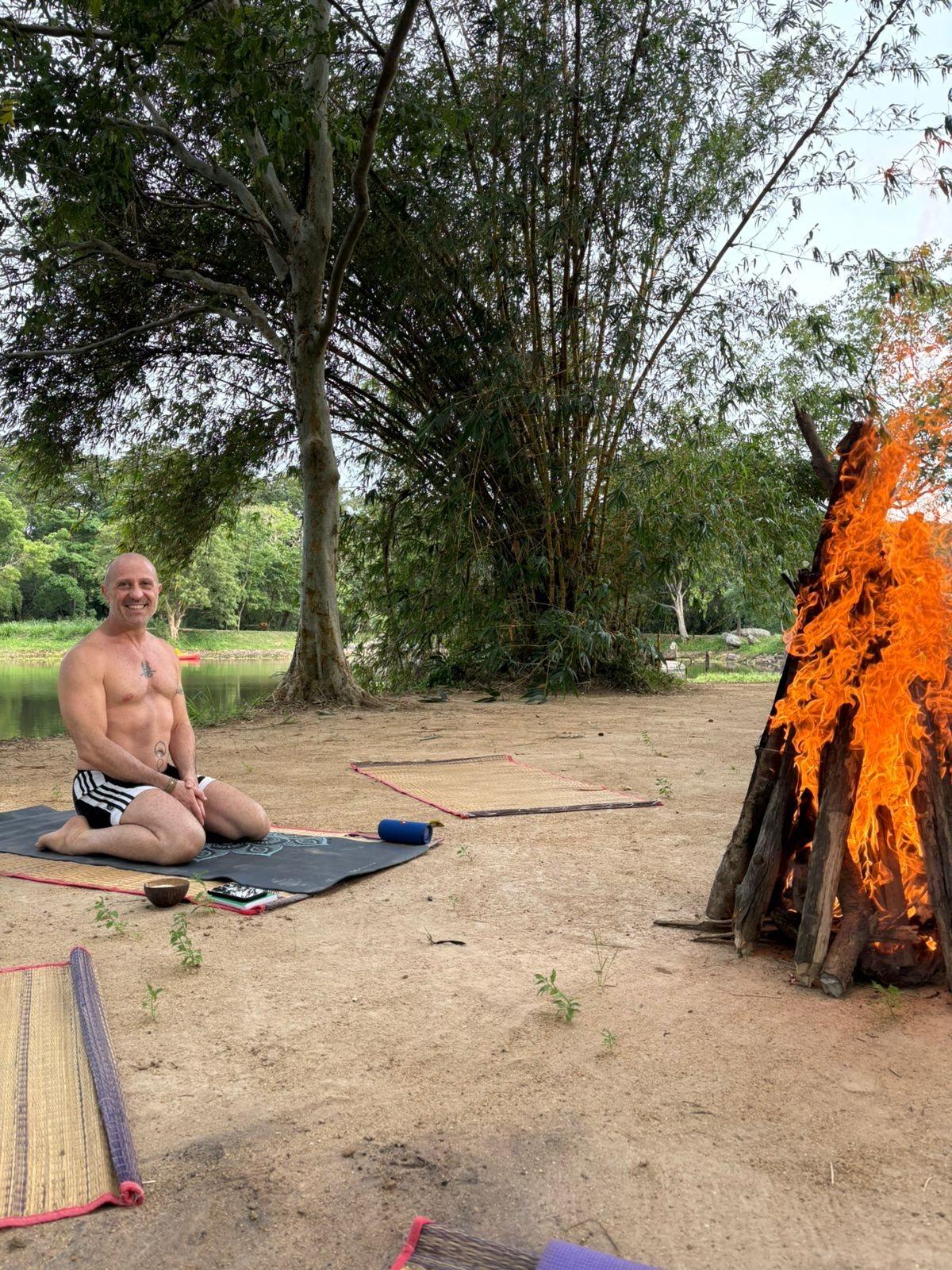
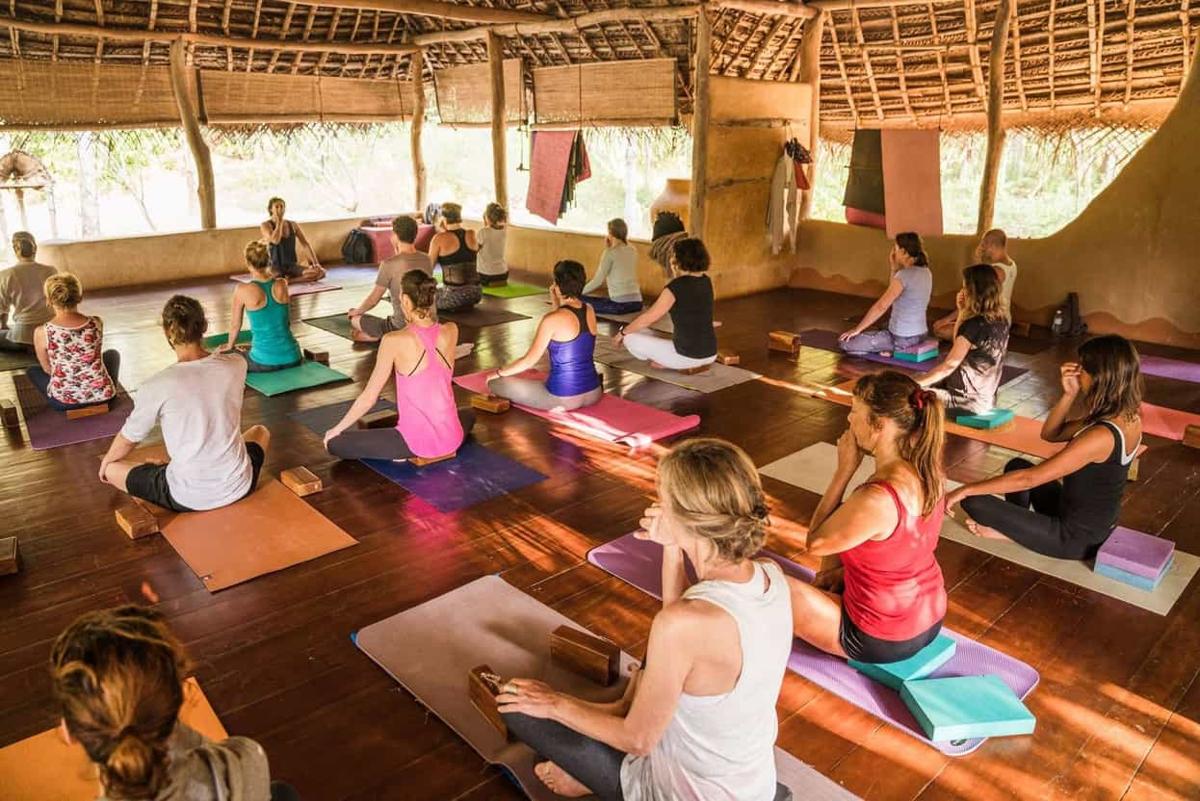
The morning yoga session lasts about 90 minutes in the open-sided yoga shala. The yoga teacher changes with each of the two-week retreats (minimum one-week stay): Ulpotha invites a different visiting teacher each season, each with their own lineage and long-standing practice, none of them running the same class you’d find at a studio in London. The yoga sessions are slow and meaningful: time in each posture, time between them, and an emphasis on what’s happening in the body rather than what position you’re supposed to achieve. Beginners find it more manageable than they expect, and there’s no performance or competitive element or mirror.
Breakfast follows yoga in the kade hut. The food at Ulpotha is freshly made, Ayurvedic, built around digestion and balance rather than trends or calorie counts, and Sri Lankan cooking done this way, from produce that comes directly from the garden that morning, is genuinely good for you. Most guests mention it within the first day. By the end of two weeks, it’s usually one of the things they say they’ll miss most when they return home. Being cooked for every day without having to make any decisions is a luxury in itself.
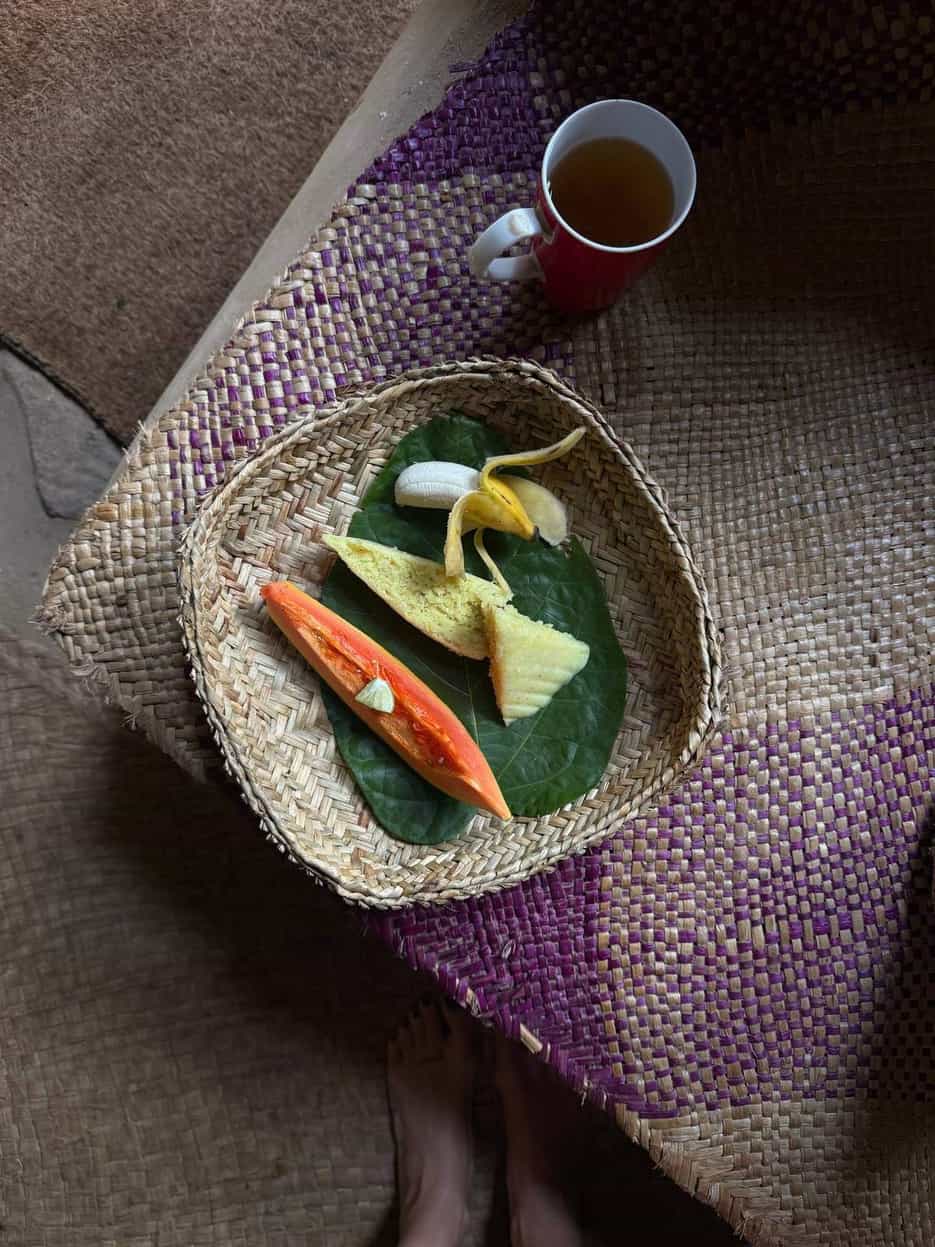
If you're not doing yoga, then you can head to the kade hut when you're ready and help yourself to tea, or green porridge (a nourishing Ayurvedic soup/porridge). After breakfast, take a walk to the lake and head out in one of the canoes, take a dip or relax in the breeze and read a book in one of the hammocks. There are plenty of books left by previous guests to choose from. Some people use this time for Ayurvedic treatments, booked separately with the on-site doctor: traditional medicine rather than spa service, with a proper consultation and a course tailored to your constitution. Others use it to do nothing, which sounds easy and takes most people several days to adjust to without feeling they should be doing something else, a difficult feeling to manage!
The afternoon is all yours. On Thursday's there's usually a cultural trip to a nearby temple as there's no yoga in the evening. Ulpotha can arrange excursions to the temple at Yapahuwa, the reservoir at Parakrama Samudra, or the village market, none of them packaged tours but quieter arrangements with a tuk-tuk and somewhere to go. Many people choose to stay at Ulpotha, particularly toward the end of a two-week stay, when leaving for a few hours takes more effort than it’s worth.
The evening yoga session is shorter and more restorative: yin, pranayama, yoga nidra. Afterwards, around 7pm dinner is communal, the ambalama lit by oil lamps, genuinely dark in the way evenings are when there’s no electricity. Conversation happens easily amongst guests as traditional Sri Lankan dishes are laid on the ground for you to help yourself, eat with your fingers the Sri Lankan way or grab a knife and fork and tuck in! Most people are asleep by ten, however some stay up to chat and play games.
The yoga retreat's daily schedule is simple. After a few days you stop managing your time and stop thinking about what comes next and find yourself just present in whatever is happening. Most people, when they say Ulpotha changed something, don’t mean the yoga or the food specifically. They mean the experience of being somewhere to 'be' rather than 'do.
Village life
On the night of the full moon, the villagers prepare food and head out in the truck to feed the local dogs. In Sri Lanka, every full...
Village life
Ulpotha is an off-grid retreat in Sri Lanka offering sustainable living in a serene, nature-immersed setting, as well as yoga and Ayurveda.
Yoga
The best yoga retreat in Sri Lanka question is a relatively easy one to answer in our opinion but takes longer to research than people...